Anúncios
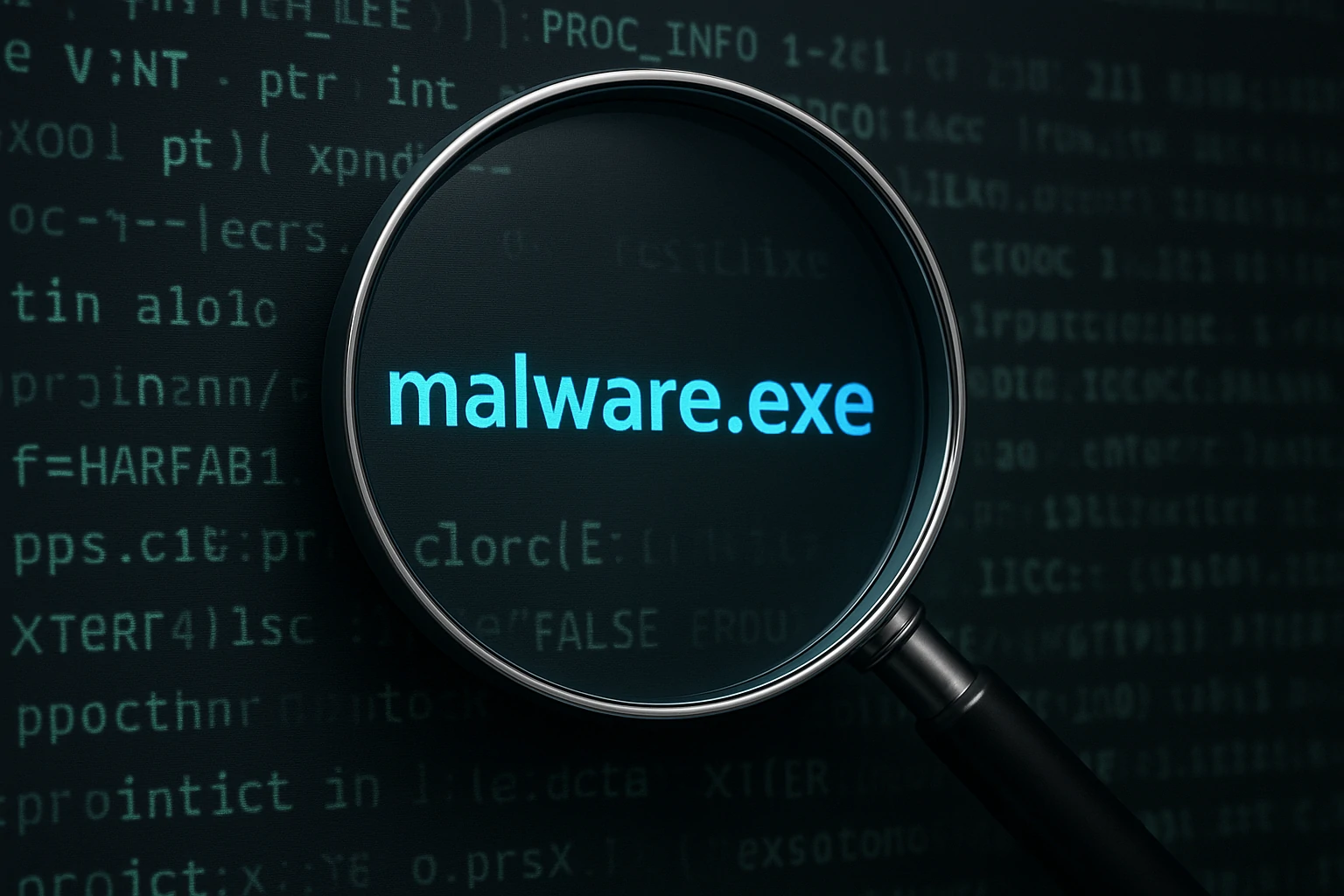
When it comes to digital security the deceptively simple tool known as the Task Manager in Windows is one of your first lines of defence. But simply opening Task Manager and glancing at the running processes is only the start. In this post we’ll walk you through how to detect malicious processes step-by-step — what to look for, what tools to use, what behaviours signal trouble, and how you can act quickly to protect your system. This guide is ideal for the audience of the site Adcod who want to understand how technology can protect them in real time.
Why Task Manager matters

Task Manager is built into Windows and allows you to see active processes, resource usage (CPU, memory, disk, network) and identify running applications. But it’s also frequently targeted by malicious actors. According to the documentation for Windows Task Manager weaknesses the tool is a “common target of computer viruses and other forms of malware” which may disable or hide processes. Understanding how to navigate Task Manager intelligently empowers you to spot anomalies rather than simply trusting that all visible processes are safe.
Anúncios
Understand what normal looks like
Before you can detect the abnormal you must know the baseline. Here are key indicators of a normal process environment:
-
The process name corresponds to a known application or system component (for example explorer.exe, chrome.exe)
-
The publisher or manufacturer is legitimate (Microsoft Corporation, for example)
-
The process path and file location is correct (e.g., C:\Windows\System32)
-
Resource usage (CPU, memory, disk) is within expected ranges for your typical workload
-
The process behaves consistently (it does not vanish and restart rapidly without reason)
If one or more of these factors is missing you may be dealing with a malicious or suspicious process.
Anúncios
Also read: Can malware go undetected?
Key signs of malicious processes

Here are some of the strongest warning signs you should look for when reviewing Task Manager:
-
Unknown or random process names – A process with a name like “xyz123.exe” or something slightly misspelled (e.g. “explroer.exe”) is suspicious.
-
Processes with no publisher or an unknown publisher – Legitimate system processes typically show the publisher. A missing or “Unknown” publisher is a red flag. For example users asked about “Video.UI.exe (no Author)” in a Microsoft forum when checking for rogue processes.
-
High or abnormal resource usage – A process using 80-100% CPU or large amounts of memory but you do not recognise the name may be malicious.
-
Incorrect file location – If a system-looking process is running from C:\Users\YourName\… instead of C:\Windows\System32\… that is suspicious. For example conhost.exe running from the wrong folder may indicate a fake imitating a legitimate process.
-
Processes that vanish or hide when Task Manager opens – Some malware disables or hides Task Manager or kills itself when Task Manager launches.
-
Multiple instances of unexpected processes – Legitimate processes can have multiple instances but many unexpected clones may indicate malware using multiple processes to hide its activity.
-
Unexpected network or disk activity – A process may appear idle but might be quietly sending data or reading large amounts of disk; this can indicate hidden malicious behavior.
Step-by-step procedure to inspect processes
Here is a systematic routine you can follow:
-
Open Task Manager (Ctrl + Shift + Esc) and switch to the Details tab for full process names.
-
Sort by CPU or Memory to see which processes are consuming the most resources.
-
Identify any unfamiliar process names; right-click and choose Open file location. Inspect the folder path. If it is not in the System folder (e.g., C:\Windows\System32) and you don’t recognise the process it warrants further investigation.
-
Right-click the process → Properties → check the Digital Signatures tab for a valid certificate. Lack of valid signature may be suspect.
-
Use the web: perform an online search of the process name and folder path. Many tech forums and security sites list known malicious processes. For example a Reddit user described:
“Right click -> Search online” and then “Turns out it was just a Card reader software !”
While that one turned out benign, the method works for confirming suspicions. -
If the process is suspicious but you still aren’t sure, upload the executable to a service like VirusTotal by its hash. This will tell you whether multiple antivirus engines flag it as malicious.
-
If confirmed malicious: terminate the process, note its file location, boot into Safe Mode, delete the file (if possible), then run a full antivirus/malware scan with a reputable tool.
-
After removal, monitor Task Manager and your system’s performance to ensure the process does not reappear.

Pro Tips for Accurate Monitoring
Use auxiliary tools for deeper inspection
While Task Manager is useful for initial detection, some hidden threats (especially rootkits) will bypass it by hiding their presence. For deeper examination use tools like Process Explorer from Microsoft Sysinternals. Process Explorer provides advanced features such as handles, DLLs, parent-child process trees, and more. It’s especially effective when a rootkit is manipulating kernel objects and hiding processes.
Common mistakes to avoid
-
Don’t assume a process is malicious just because you don’t recognise it – many legitimate background services exist. Always research before taking action.
-
Don’t terminate system-critical processes (like csrss.exe, winlogon.exe) unless you are absolutely certain, as doing so can crash your system.
-
Don’t rely solely on Task Manager; some malware can hide from it entirely. Use supplementary tools.
-
Don’t forget to update your operating system, antivirus and malware definitions – many malware variants exploit outdated systems.
-
After removal don’t ignore the potential that other malicious components may still remain; consider a full scan.
Also read: How do I know if I have malware on my computer?
Integrating this into your site’s content strategy
For the audience of Adcod you should add internal links to other relevant posts (assuming they exist):
-
Link to a post on “Best Windows security practices for 2025”
-
Link to a post on “How to use antivirus and anti-malware tools effectively”
These internal links help reinforce your authority on the technological niche and improve SEO by creating contextual connections.
Final thoughts
Detecting malicious processes in Task Manager requires a mix of vigilance, knowledge and the right tools. By familiarising yourself with how your system behaves under normal conditions and recognising the warning signs outlined above you can dramatically improve your ability to spot threats early. For the Adcod audience who take technology seriously this kind of hands-on guidance reinforces your brand’s value in delivering practical, actionable security advice. Stay alert, stay informed and treat Task Manager not just as a tool to kill misbehaving apps but as a window into your system’s health and safety.
Also read: How do I remove viruses and malware from my computer?